


Photography Direction
Colabora APS Documentary
por Carlos Leandro
2/28/20262 min read
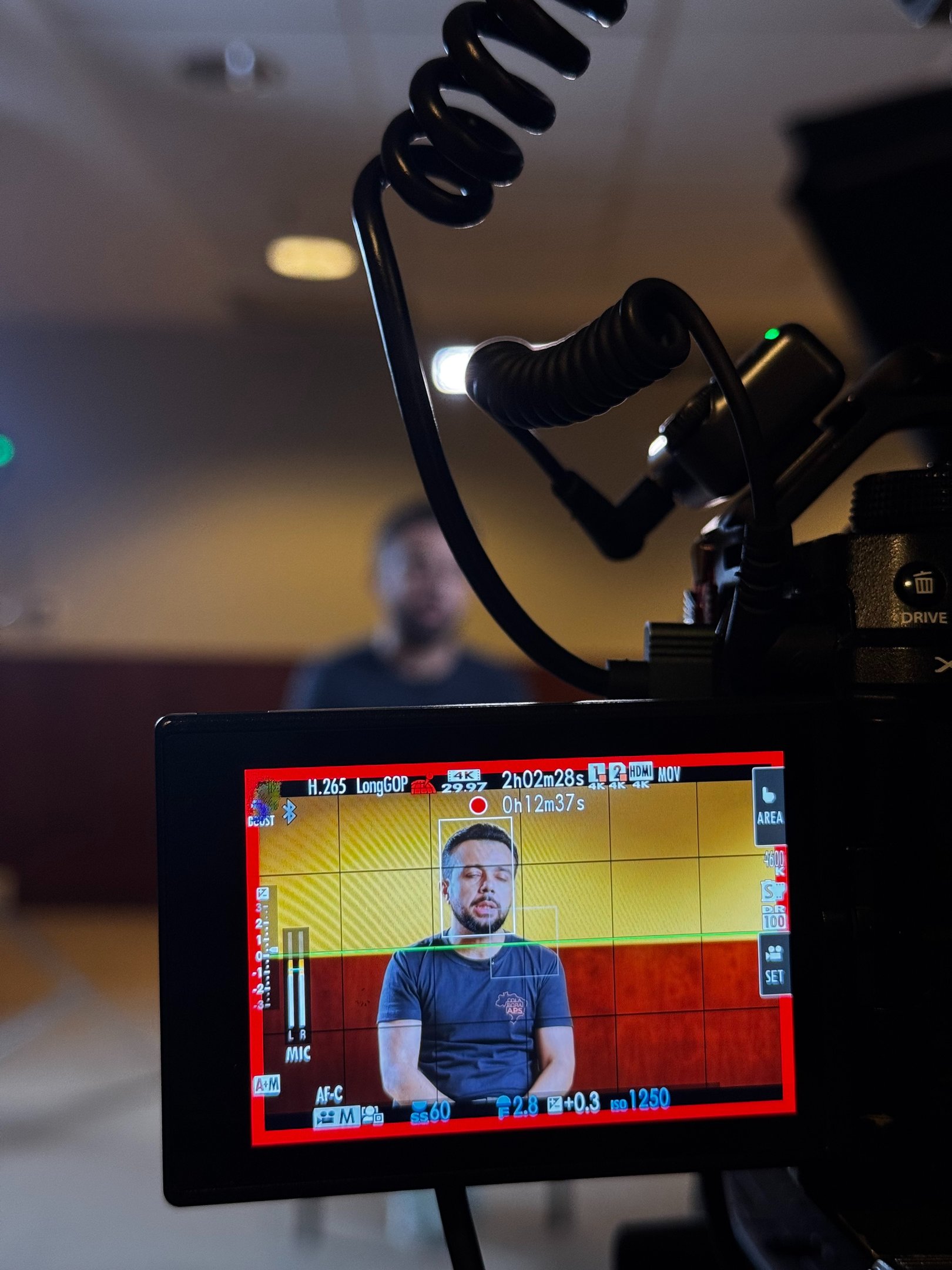
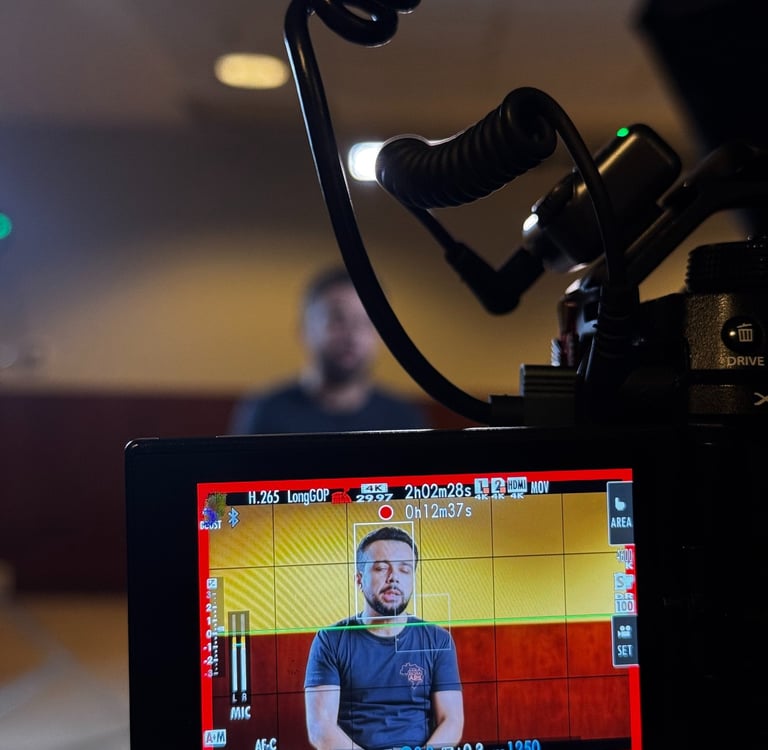
The Photography Direction in the Colabora APS Documentary (Fiocruz)
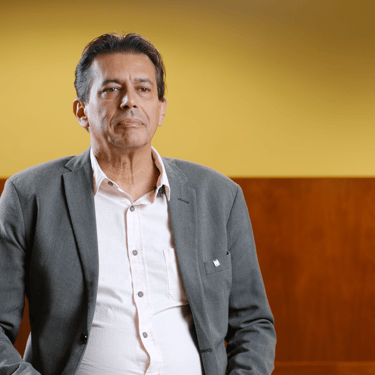
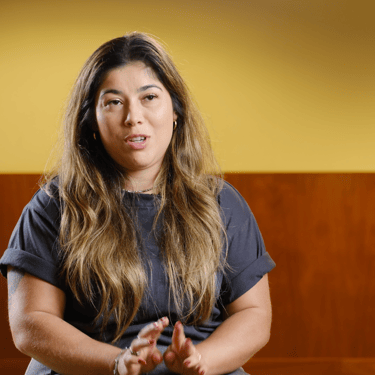
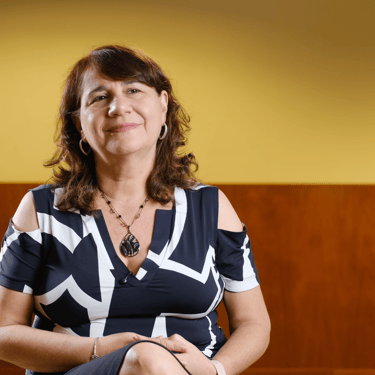
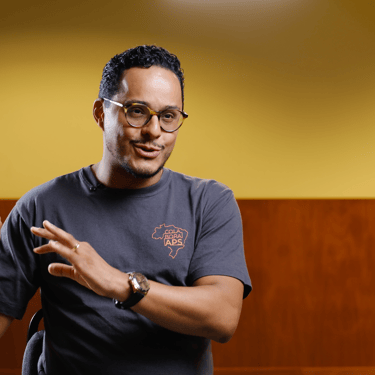
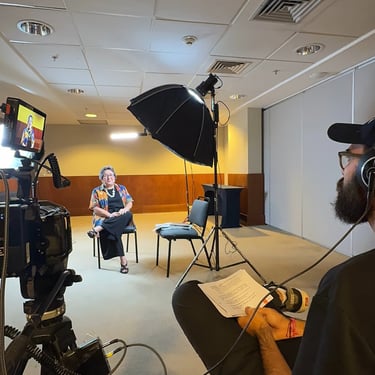
Right now, I’m deep into a big project for Fiocruz (ENSP): directing photography for the documentary of the Colabora APS project. The challenge is huge: capturing the essence of over 30 testimonials from professionals and managers on the front lines of Primary Health Care in Brazil.
The Aesthetics of the Narrative: Humanizing Public Health
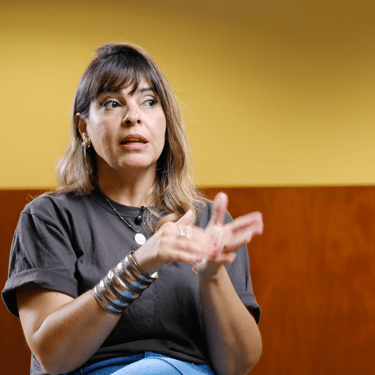
In a documentary focused on health experiences, the image should welcome the speaker. My role as Director of Photography (DoP) is to create an atmosphere that conveys trust and seriousness, without losing the human warmth that the topic requires.
Visual Unity in 30 Different Perspectives
Keeping a consistent visual style across more than 30 interviews is a real technical challenge. Every face is unique, but the documentary needs a "signature" that connects all the stories.
Lighting Setup for Long Interviews
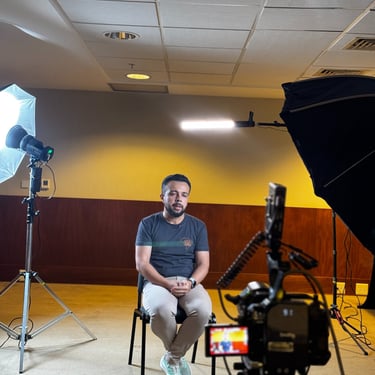
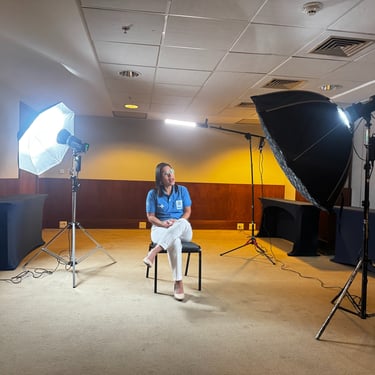
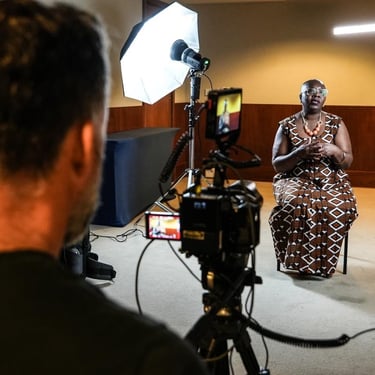
For this project, I chose a soft lighting approach (soft light) that highlights expressions without creating harsh shadows.
Key Light: Big opening softboxes for a smooth transition.
Fill Light: Strategic reflectors to keep the sparkle in the eyes (catchlight).
Rim Light: Subtle edging light to separate the interviewee from the background, adding depth.
Art Direction and Background Composition
The set (background) in the Colabora APS project needs to be informative, but not distracting. We use shallow depth of field (bokeh) to keep the focus entirely on the interviewee's narrative.
(H6) Color Management (Color Science)
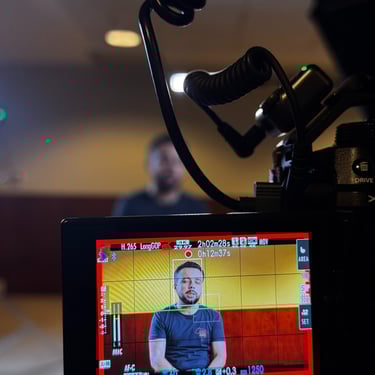
Using LOG color profiles allows for smooth post-production, ensuring natural skin tones, regardless of variations in natural light from the locations.
Colabora APS: A Platform for Exchange and Knowledge
This project, linked to the National School of Public Health (ENSP/Fiocruz), is a network of practices aimed at strengthening the SUS. Documenting these voices is about capturing the collective intelligence of Brazilian health.
Challenges of Institutional Audiovisual Production
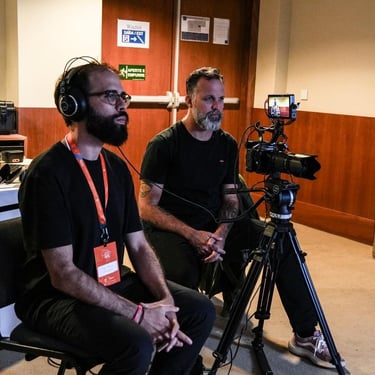
Working for institutions like Fiocruz requires an organized workflow, respecting the specialists' time. Agility in setting up the set and discretion during recording are key to capturing genuine testimonials.
Capture Equipment and Stability
Cinema cameras with precise autofocus and high-performance sensors are essential to ensure that no emotional moment is missed due to technical failures.
The Role of the Director of Photography in Documentary Narratives
More than just "making pretty pictures", directing photography in a documentary is about listening. The image should echo the speaker's tone. If the narrative is about overcoming obstacles, the lighting should reflect hope. If it's about a complaint, the contrast should underline the urgency.
Why Invest in Photography Direction for Your Institution?
Companies and foundations that want to document their history or social impacts need an image that conveys credibility. A poorly lit testimonial can undermine the message of an entire project.
Contato
eu@carleandro.com.br
+55 21 996192188
© 2025. All rights reserved.